Open Up the Conversation:
Our Menstrual Health Experiences as Black and Brown Women
Recorded June 2026
In this Open Up the Conversation, Freja’s volunteer Dr. Tihesia Riley chats with Emma Kelly and Saffiyah Khalique about the experience of conditions that impact your menstrual health as black and brown people.
They discuss how ethnically diverse women are often dismissed, belittled and gaslit when seeking care for their conditions, the importance of health-care providers taking a culturally sensitive approach, and how taboos keep people in the dark about conditions that have run in the family for generations.
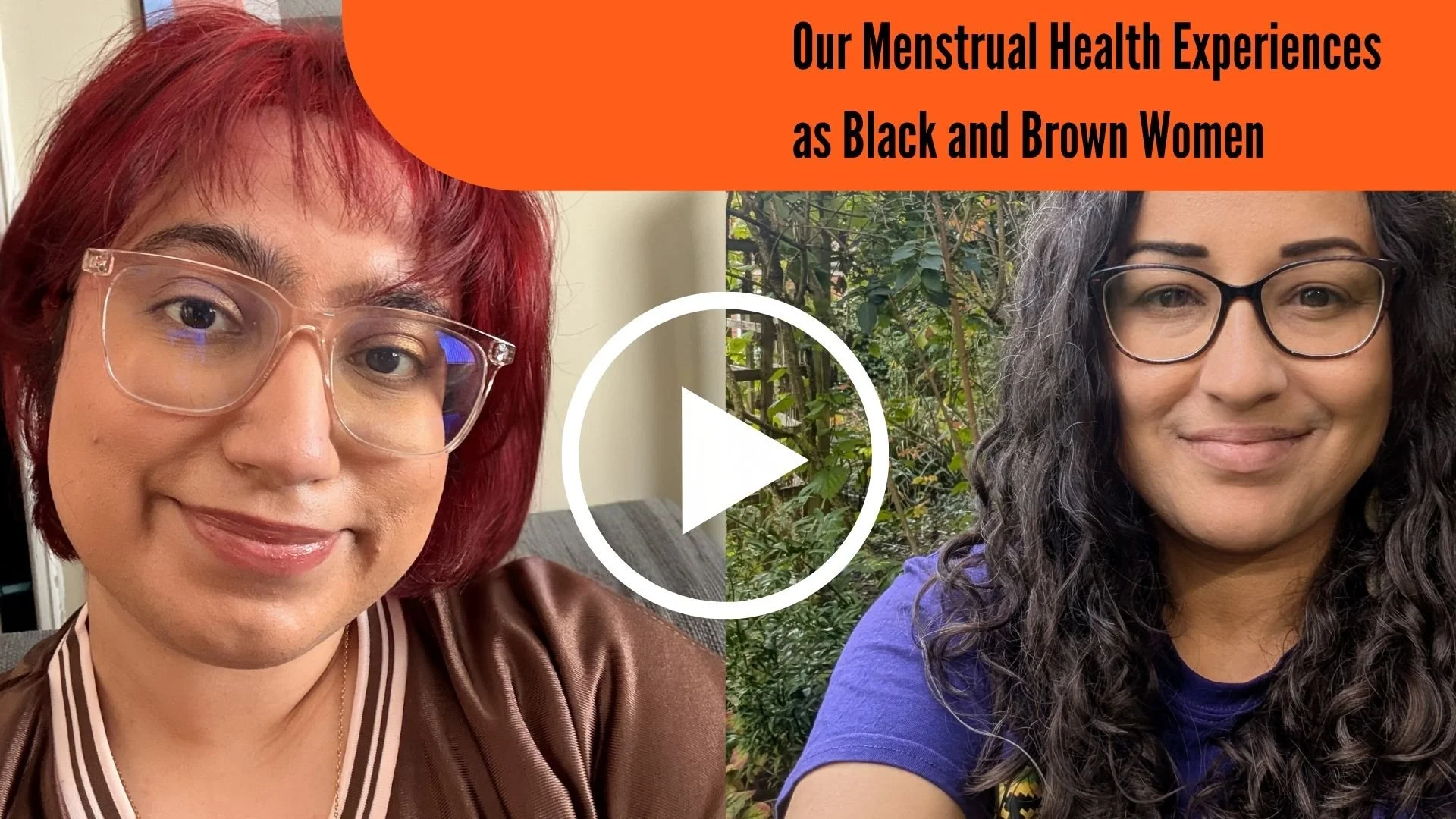
In this video:
Emma Kelly: Yoga Teacher and Inclusive Wellness Advocate
Saffiyah ‘Saff’ Khalique: Digital Creator
Hosted by: Tihesia Riley, Freja’s Volunteer
Throughout the chat, referrals are made to the recently published report: Disbelieved, Dismissed and Delayed by Cysters with the support of Endometriosis UK. Which showed that:
People from ethnically diverse communities wait, on average, 11 years for an endometriosis diagnosis in the UK (the UK-wide average is 9 years and 4 months)
Patients from ethnically diverse backgrounds wait more than twice as long (4 years) between seeing a gynaecologist and being diagnosed with endometriosis as the UK-wide average (1 year and 10 months)
This is despite going to their GP sooner after first noticing symptoms, and waiting less time to see a gynaecologist
More than two thirds (68%) believed their ethnicity either played a role in their diagnosis, proved a barrier to diagnosis, or was the subject of assumptions made by healthcare practitioners
Just 11% believed healthcare providers are culturally sensitive (Source: Cysters.org)
You can read the full report here.
Key takeaways from the conversation:
Seek communities of support
Finding communities, either physical or online, where people who live through similar experiences can meet and share stories is incredibly empowering and important. Both in dealing with the loneliness that often accompanies these conditions and in sharing knowledge before medical interventions.
Groups like The Guidance Suite and Cysters offer safe spaces for women from ethnically diverse backgrounds who live with conditions that impact menstrual health. If you live in or near Calderdale, Freja’s run a monthly meet-up for anyone living with menstrual health conditions or with experience of recurring pregnancy loss.
Recognise that taboos hinder knowledge sharing
If possible, and you feel comfortable, share your symptoms and struggles with trusted family members. Taboos around, especially women’s health, mean that intergenerational knowledge sharing is missed. Knowing if other family members have had similar symptoms and experiences to you can help you paint a fuller picture of your own health.
For healthcare providers
A culturally sensitive approach
Taking a culturally sensitive approach when patients from a different ethnic background are important in ensuring that your patients feel seen and safe.